Probate and your property inheritance.
October 23, 2019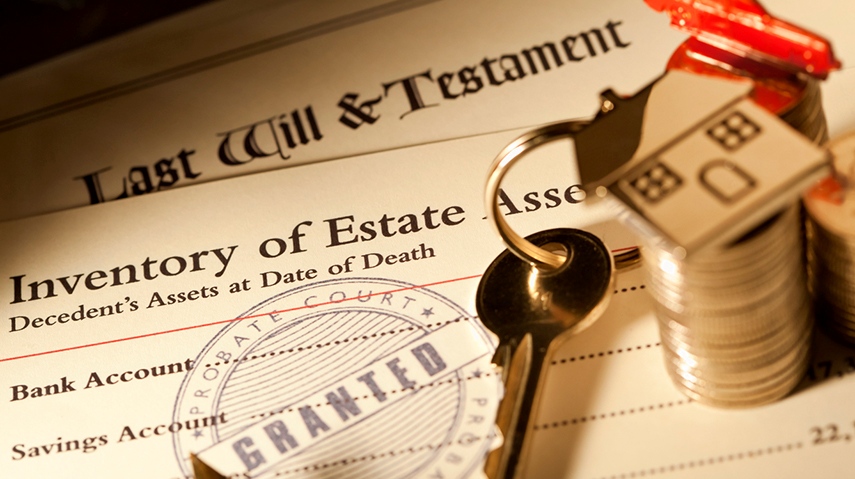
What is Probate?
The term probate defines the process, by a court, of distributing items to heirs as instructed by the deceased’s Last Will and Testament. Some forms of property, including 401(k) and certain investments, can bypass the probate process. But, more often than not, real estate will go through the probate court, especially if someone is contesting the will or if property is gifted to more than one heir. If you have to go through court probate and have inherited property, here’s an idea of what you can expect.
Before you inherit the property, it has to go through the probate process. This is basically the term designated for the legal process of distributing inheritances through the will, including real estate.
What’s the Process?
In most states, there’s a four-step process that the court goes through before administering property designated in a will to the respective heir.
Petition & Notice
The first step is petitioning the probate court to hold a hearing to administer property. Notice to the hearing is then administered by the court to all heirs and/or interested parties (creditors, beneficiaries, etc) to the will.
Inventory
Oftentimes the probate court will appoint an appraiser to determine the fair market value of items in the will. This includes personal property, bonds, and real estate.
Tax and Liability Payments
The first in line to receive probate benefits are creditors. If the deceased owed money (ie taxes, credit cards, line of credit, etc), those liabilities and payments are made. After all taxes are paid, liabilities are paid, and other monies owed are administered, the respective heirs will receive designations. This is often a lengthy process. Depending on the estate’s size, and how many heirs there are, the probate court will determine who’s first in line to receive, and how much each heir will receive.
Title Transfer
Before the Title is transferred to the respective heirs per the courts, the heirs could sell the property and split the proceeds. This will take a while when selling real estate through a realtor.
Nothing will be distributed to heirs until all items are settled and agreed upon. That means, any other items of inheritance are held up from distribution until the house is sold. If you decide to keep the house, and assuming this goes smoothly and uncontested, you are now the owner of the real estate which was willed to you.
Now that the property is in your name, what could you expect?
What’s Next?
After you get title to the real estate, taxes have to be paid. Additionally, if there are liens, mortgages, or other levies in place, these must also be paid. Heirs are also required to comply with foreclosure notices, short sales, clean up, or repairs if a property is in distress.
Should You Keep an Inherited Property?
Given the costs and possible issues with an inherited property, many heirs choose to sell their inherited property. Some of the benefits of selling a property received through probate include:
- Many companies, like Living Grace Properties, buy houses, AS-IS, for cash. This is valuable because you don’t pay taxes, fines, or have to repair damage to these (often) damaged homes.
- It’s a tax exclusion you can take.
- You don’t have to pay inheritance taxes.
- You avoid maintenance costs, HOA fees, mortgage payments, and other costs of owning a home.
Again, the probate process is a lengthy one, and can be extremely costly, especially if there are other possible heirs contesting a will. To avoid these issues, many heirs choose to sell inherited property or work with companies that buy homes for cash.
If you’ve inherited a property and have to go through probate, you should consider hiring a probate attorney to help with the process. Additionally, you should speak with an investment adviser who can better inform you of the possible tax consequences, costs, and other fees associated with an inherited property. This can help you to determine whether to keep it or sell your real estate inheritance.
Understanding the probate process will help you make an informed decision. The proper decision as to how to deal with the property, could save you a lot of money. Depending on your situation, you may decide to keep it as a second home or rental.
If you want to find out what your property is worth, AS-IS, or you decide to sell, don’t delay, call us today for a free, no obligation offer on your property.
707-766-0945